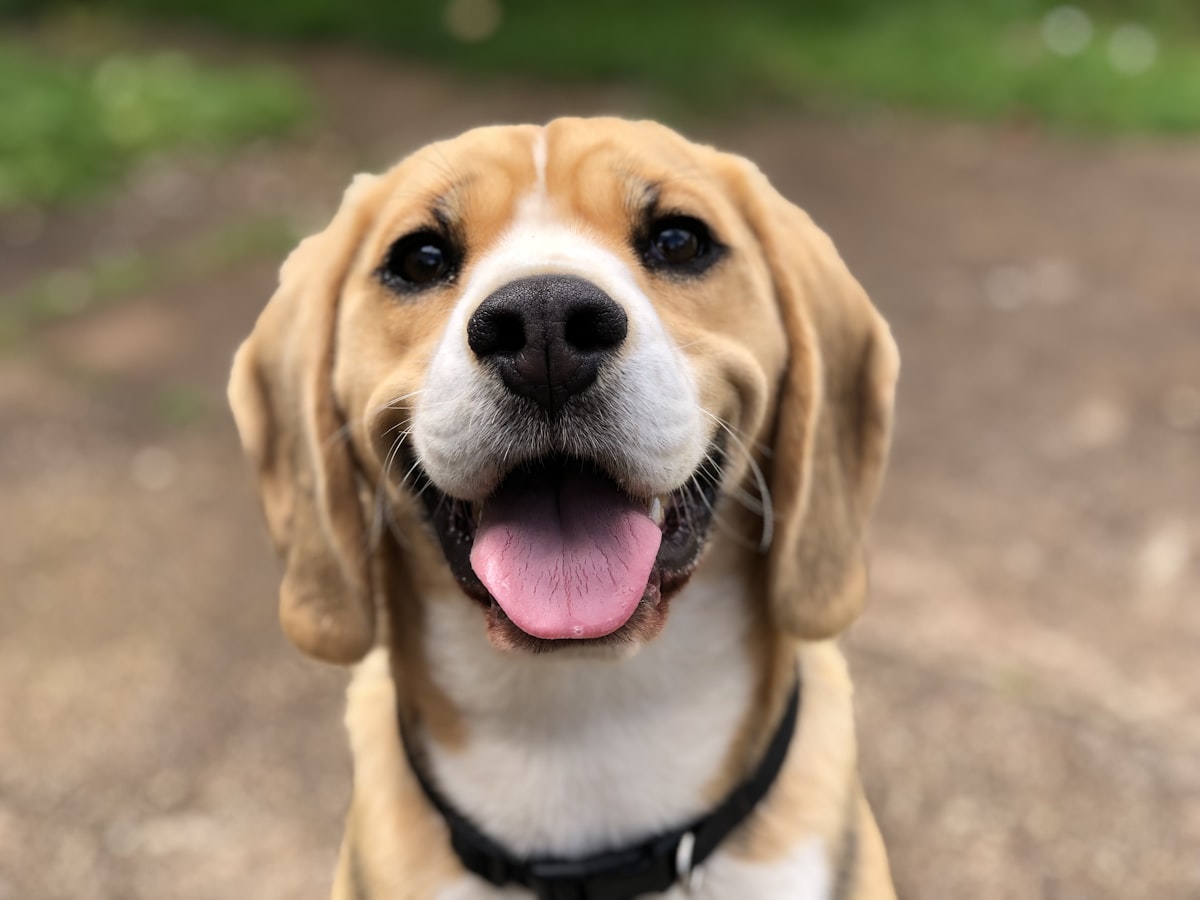
PUPPY WELLNESS & DEVELOPMENT

How Much Exercise Does a Puppy Need? A Guide by Age

Finding the perfect balance for your puppy's physical activity is essential for safe bone development and healthy mental stimulation. Discover age-appropriate routines tailored to nurture their natural growth.


Explore the Guide
Warm cozy golden retriever puppy exploring a green meadow

How Much Exercise Does a Puppy Need?


Unlike adult dogs, puppies are rapidly developing. There is no one-size-fits-all prescription for their physical activity. Instead, we advocate for short, controlled periods of play interspersed with plenty of dedicated rest. Over-exercising sensitive growing joints can lead to long-term harm; gentle exploration is always the safest course.

Read Our Activity Guide
Sophisticated puppy resting peacefully on a soft blanket

Development Timeline

The First Golden Year

A sophisticated guide mapping out physical play, cognitive training, and crucial rest priorities for each unique developmental stage of your growing puppy.

8–12 Weeks


Focus: Socialization

• Play: Gentle household exploration & short 5-minute garden walks.

• Mental: Tactile puzzles, hand-feeding, & sound habituation.

• Rest: 18–20 hours daily. Absolute physical priority.

3–4 Months


Focus: Confidence

• Play: Controlled playgroups & structured 15-minute neighborhood walks.

• Mental: Basic cue building (Sit, Wait, Recall) on varying safe surfaces.

• Rest: 16–18 hours daily. Critical for processing experiences.

4–6 Months


Focus: Structure

• Play: Structured retrieve games, introductory trail walking.

• Mental: Scent tracking, loose leash rules, & duration behaviors.

• Rest: 15–16 hours daily. Support for rapid bone growth.

6–9 Months


Focus: Adolescence

• Play: Steady 20-minute walks, mild hiking, and fetch work.

• Mental: Impulse control during distraction, complex toy puzzles.

• Rest: 14–15 hours daily. Keep morning/afternoon nap rhythms.

9–12+ Months


Focus: Agility

• Play: Controlled hiking, light jogging, & core building games.

• Mental: Advanced trick sequences & custom setup search tasks.

• Rest: 12–14 hours. Standard mature resting cycle.

Puppy Development & Care

How Breed and Size Affect Exercise Needs


Every puppy is born with a unique blueprint. While a spirited companion breed might thrive on brief, playful bursts of energy around the living room, a young working breed requires structured, mentally stimulating activities to satisfy their natural instincts. Crucially, growth rates vary dramatically. Large and giant breeds continue to develop their skeletal structure for up to two years. For these gentle giants, high-impact activities like jumping or repetitive running must be strictly avoided to protect their vulnerable growth plates and ensure long-term joint health.

Explore Breed Guides
A large golden retriever puppy sitting next to a small companion breed puppy, demonstrating the unique physical differences between breeds.

Balancing Growth & Play

Puppy development thrives on a thoughtful blend of structured exercise and mental enrichment. Explore how short walks and interactive play sessions uniquely support their physical and cognitive milestones.


Short Walks

Gradual, pace-setting outdoor excursions focused on building stamina, exploring sensory environments safely, and introducing basic leash manners.


Play Sessions

Highly interactive, mentally engaging activities that encourage free movement, instinctual problem solving, and joyful social bonds.


Mental Exercise Counts Too


Physical walks are only half the equation. Puppies possess active, curious minds that need purposeful engagement to ward off boredom, build confidence, and foster a peaceful home environment.

Structured Training

Engage their mind and build a cooperative bond through positive reinforcement and basic commands.

Sensory Sniffing

Allowing your pup to decode outdoor scents naturally lowers their heart rate and satisfies basic curiosities.

Interactive Puzzles

Introduce toys that challenge problem-solving skills in exchange for healthy, rewarding treats.

Hide-and-Seek

A delightful indoor game that elevates natural focus, responsive recall, and scent tracking.

New Tricks

Keep brain pathways active by introducing fresh, gentle behaviors and lighthearted commands.

Exploration

Gently expose your pup to novel textures and environments to foster confidence and curiosity.

The Balanced Development Philosophy

Healthy puppy development depends on finding the right balance rather than simply increasing exercise.


01 / PHYSICAL

Physical Activity

Controlled, age-appropriate movement that avoids structural stress and protects vulnerable growing joints.

02 / COGNITIVE

Mental Stimulation

Scent work, basic puzzle toys, and positive tracking that gently tire the mind and build inner focus.

03 / SOCIAL

Interactive Play

Purposeful bonding exercises that develop balance, motor skills, and vital interactive confidence.

04 / RECOVERY

Rest & Quiet

Up to 18 hours of daily sleep is essential to consolidate learnings and facilitate healthy physical growth.

Finding the balance preserves growth and limits overstimulation.

View Routine Guide

balanced growth & vitality

Puppy Exercise Checklist


PUPPY CARE GUIDE

Frequently Asked Questions

Everything you need to know about puppy exercise, sleep patterns, and mental stimulation to help you raise a confident, balanced, and healthy companion.


How much exercise does a puppy need each day?

A standard guideline is the safe '5-minute rule' which suggests 5 minutes of structured exercise per month of age, up to twice a day. The rest of their energy should be spent on free play, training, and exploring.

At three months old, your puppy should have about 15 minutes of structured exercise (like a gentle leash walk) up to twice daily, interspersed with plenty of rest and brief training sessions.

For a four-month-old puppy, structured activity should be limited to about 20 minutes up to twice a day. Keep the surfaces soft (like grass) where possible, and avoid high impact.

A six-month-old puppy can handle up to 30 minutes of structured walking twice a day. They are gaining physical stamina, but their growing skeleton still requires careful pacing.

Walks should be brief and leisurely. It's not about the distance covered but the mental stimulation. Let them sniff, pause, and explore safely at their own pace.

No, puppies should avoid long, uninterrupted walks—especially on hard pavement. Long walks can overexert their immature cardiovascular systems and put excessive strain on developing joints.

We recommend waiting until your puppy's growth plates have fully closed, which typically happens between 12 and 18 months of age depending on the breed. Always consult your vet first.

Appropriate physical and mental exercise is essential for healthy sleep patterns. Puppies need 18-20 hours of sleep daily; a balanced routine helps them settle down without becoming restless.

Mental stimulation can include basic obedience training, food puzzles, sniffing walks (where they lead the way), and safe, interactive socialization with novel sights and sounds.

Signs of overexertion include lagging behind during walks, laying down, excessive panting, stiff limbs the next day, or showing symptoms of being 'frenetic' or hyperactive due to being overtired.

Under-exercised or under-stimulated puppies often channel their excess energy into undesirable habits, such as destructive chewing, excessive barking, digging, or persistent attention-seeking behaviors.

Intense, repetitive exercises like jumping, sharp turns, and long runs can damage the open growth plates in a puppy's bones, leading to permanent structural imbalances or early onset arthritis.

A Healthy Start for Your Puppy

At CozyPuppies, we believe every wagging tail deserves a foundation of wellness and joy. From high-quality, veterinarian-approved nutrition to engaging toys that stimulate growing minds, we curate everything you need to welcome your new family member with absolute confidence. Your puppy's journey to a long, vibrant life begins here.

Explore Puppy Essentials
A happy puppy smiling next to its owner