

Puppy Training Tips

How to Stop a Puppy From Biting: Simple Training Tips for New Owners


A guide to understanding and managing puppy mouthing with patience and positive reinforcement.

A warm, editorial photograph of a golden retriever puppy playing with a toy

COZY PUPPIES BEHAVIOR GUIDE

The Language of Mouthing


01 / NATURAL DEVELOPMENT

Why Do Puppies Bite?


To a young canine, the entire world is a sensory playground explored primarily through their mouth. Mouthing is not a sign of early malice, but rather a crucial milestone in normal behavioral development. Just as toddlers touch and grasp everything they see to understand their surroundings, puppies utilize their highly sensitive mouths to gauge texture, temperature, and basic rules of engagement.

Between twelve to sixteen weeks, teething reaches its height. As needle-sharp puppy teeth prepare to shed for permanent adult dentition, your puppy experiences profound physical discomfort. Compulsive chewing and mouthing serve as instinctual countermeasures, offering much-needed pressure therapy to soothe tender, inflamed gums. Recognizing this shift allows us to guide them gently through appropriate teething alternatives.

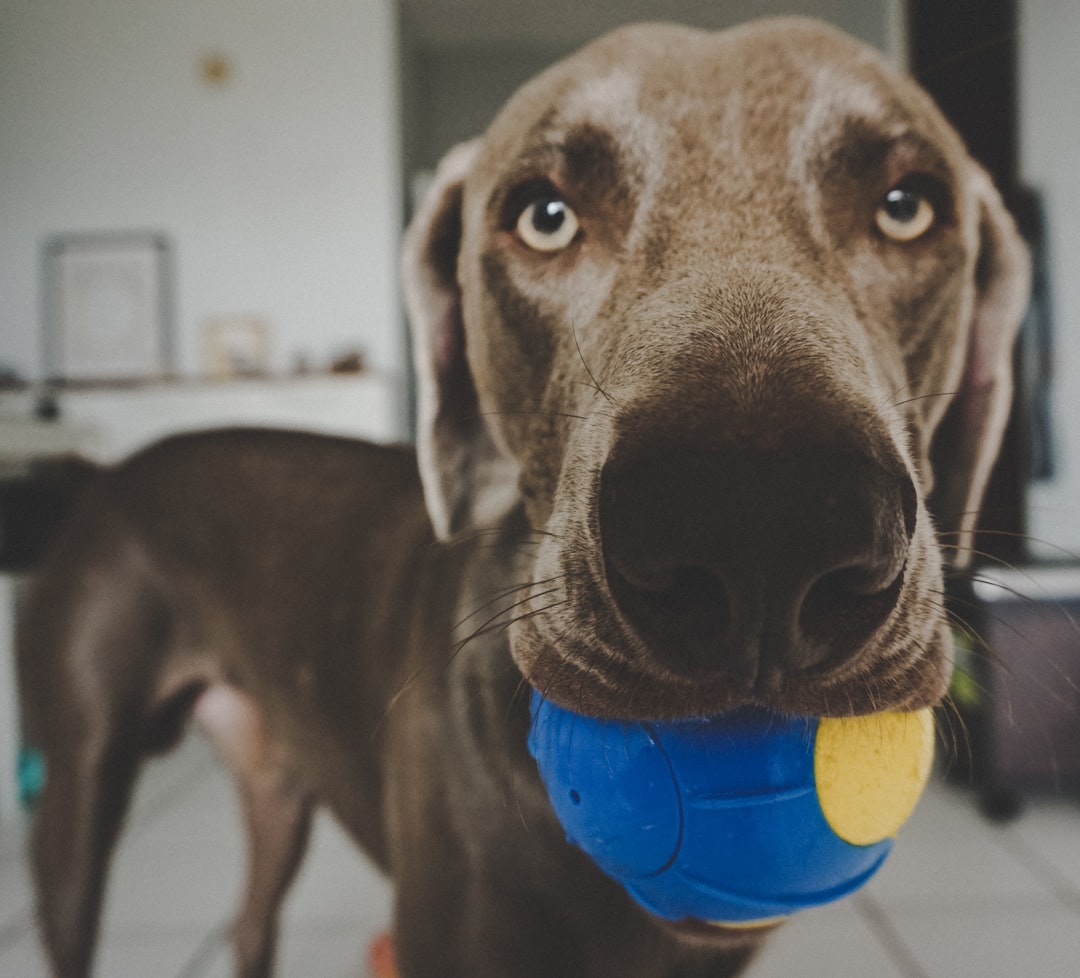
Teething Guide
02 / BEHAVIORAL DIAGNOSIS

Puppy Biting vs. Aggressive Behavior


It is completely natural for new owners to occasionally worry if standard nipping masks a deeper temperament issue. However, true aggression in puppies is incredibly rare. Normal play biting is typified by loose, bouncy body language, relaxed open mouths, and a natural willingness to be distracted. Their overall demeanor remains friendly, even when highly energetic.

By contrast, problematic aggression is defined by context and posture. Warning signals include a stiff, frozen spine, lip-curling snarls, intense direct staring, or defensiveness over valuable items like food bowls or a favorite sleeping corner. Observing these structural shifts helps us know exactly when typical growing pains cross into behaviors requiring experienced help.

COZY PUPPIES ESSENTIALS

Three Steps to Gentle Play


A golden puppy chewing happily on a soft toy

01

Stop Rewarding Biting With Attention

When your puppy bites, calmly stop all interaction. Turn away and become completely boring to show that biting ends the fun.

02

Redirect Your Puppy to a Toy

Always keep an appropriate chew toy nearby. Gently offer the toy to redirect their chewing instinct to acceptable targets.

03

Teach Bite Inhibition

Help your pup develop gentle mouth control. If they press too hard, let out a soft yelp to mimic natural littermate feedback.

UNDERSTANDING THEIR BEHAVIOR

Why Is My Puppy Biting?

Puppy mouthing is entirely natural, but identifying the root cause is the key to gentle training. Explore the seven primary triggers below and learn how to respond with patience and care.


Teething

Soothe painful gums by offering dedicated chilled or textured chew toys.

Play Mouthing

Immediately redirect their energetic biting toward a durable interactive toy.

Overexcitement

Pause the interaction entirely. Stand still and wait for calm behavior.

Overtiredness

Establish a quiet space or crate for essential structured rest and napping.

Boredom

Provide mental enrichment with puzzle feeders, scent work, or basic training.

Attention-Seeking

Avoid rewarding them with high energy reactions, eye contact, or scolding.

Sensory Exploration

Puppies explore the world through their mouths. Redirect them gently toward safe objects with varying textures.

COZY PUPPIES TRAINING GUIDE

What to Do When Your Puppy Bites

A calm, consistent 5-step approach to gentle play and natural boundary setting.


01

Stay Calm

Avoid yelling or pulling away abruptly. High-pitched reactions can mimic prey and excite your puppy further.

02

Stop Interaction

Immediately turn away, cross your arms, and ignore them. Show your puppy that biting instantly stops all the fun.

03

Redirect

After a few seconds, offer an acceptable chew toy. Guide their teeth to the right object and keep hands away.

04

Reward

Praise warmly and offer a small treat the moment their jaw closes around the toy instead of your skin.

05

Repeat

Consistency is key. Every member of the household must respond the exact same way to build a reliable habit.

Bite Inhibition Training

A gentle, modern guide to puppy bite inhibition and constructive play.


How to Stop Biting

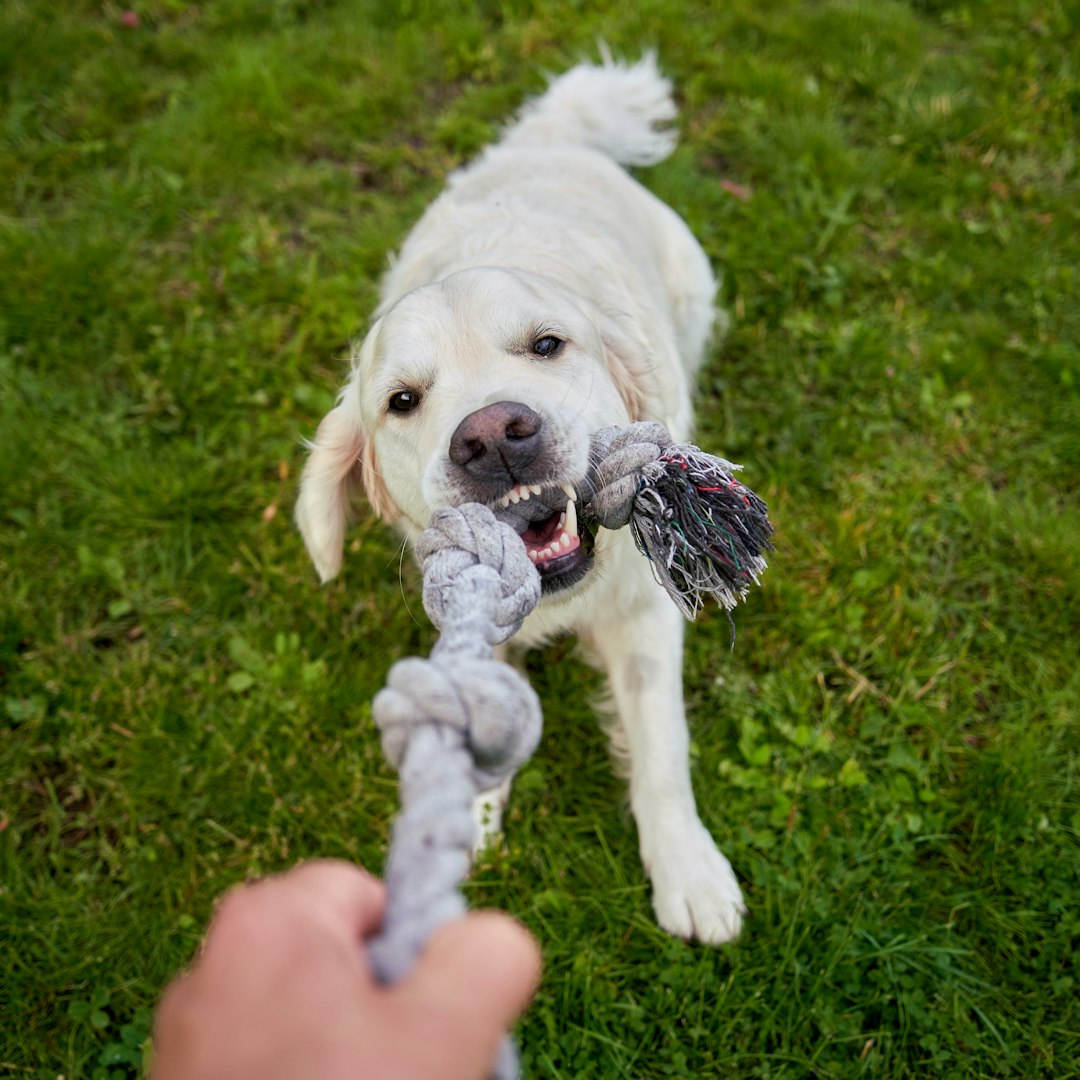
Cozy golden puppy happily chewing on a natural rope toy

What Not to Do

Daily Care & Guidance

Nurturing Your Puppy's Growth


A Simple Daily Routine

Consistency is key to a happy, confident pup. Crafting a balanced flow of activity, nourishment, and sleep helps them feel secure and understand what's next.


When to Get Professional Help

Puppyhood has its challenges, but some patterns require experienced guidance. Recognizing key signs early ensures a safe, calm environment for your household.


Find Certified Specialists

CozyPuppies Training

Puppy Biting Quick Checklist

Keep this essential training checklist close at hand to gracefully guide your puppy through the teething phase and promote gentle manners.

Expert Guidance

Frequently Asked Questions

Commonly asked questions and expert advice for managing puppy mouthing with confidence.

Why do puppies bite so much?

Puppies explore their environment primarily with their mouths. Lacking hands, they rely on their teeth to touch, taste, and communicate during play.

Yes, intense mouthing is completely normal. It is an instinctual behavior that helps puppies develop social skills and learn 'bite inhibition' through feedback from littermates and owners.

For most puppies, natural biting behaviors decline significantly around 6-8 months, corresponding with the completion of adult teething and consistent training structure.

Keep your hands perfectly still. Moving hands away rapidly can trigger their prey drive. Gently redirect them to a high-quality toy or end the interaction immediately.

Stand completely still like a 'boring tree.' Avoid kicking or making excited movements. Keep a soft chew toy ready to intercept them and reward calm walking.

Yes, puppy teeth are razor-sharp. This helps them learn how to control their jaw strength (bite inhibition) early on, as other dogs will give them clear feedback when they bite too hard.

No. Physical punishment breaks trust, creates fear, and often escalates into real defensive aggression. Positive redirection and withdrawal of attention are much more effective.

Play biting is accompanied by loose, bouncy body postures and a relaxed face. True aggression is rare in young pups and usually presents with stiff posture, lip curling, and warning snarls.

Opt for heavy-duty natural rubber toys, cold water-soaked rope toys, or chilled teething rings. These textures provide maximum relief to inflamed gums.

Yes. Teething peaks between 3 and 6 months when adult teeth emerge. Biting increases as puppies seek physical relief from sore gums.

Absolutely. Over-tired puppies behave like cranky toddlers. They lose impulse control and bite more frequently. Try implementing a structured nap schedule in a quiet pen.

Seek guidance if the biting is accompanied by resource guarding, severe body stiffness, or if you feel anxious or unsafe managing your puppy's mouthy behaviors.

OUR MISSION

Nurturing their biggest milestones, one cozy moment at a time.

Every puppy's journey is a beautiful, rapid unfolding of discovery. At CozyPuppies, we believe these formative months deserve the gentlest touch, the safest materials, and the most thoughtful designs. We don't just make puppy essentials—we curate comfort, giving you and your companion the reassurance to play, sleep, and grow together.

Shop Puppy Essentials
An adorable beagle puppy face looking up with expressive, warm eyes.