Dog Lifestyle

How to Tell If Your Dog Is Bored: 10 Signs and Simple Ways to Help

September 4, 2026 • 8 min read


A peaceful dog resting on a cozy blanket, looking slightly bored and thoughtful

Understanding Canine Behavior

Can Dogs Really Get Bored?


Dogs are highly intelligent, social creatures who need far more than just standard nourishment and rest to live fulfilling lives. When daily routines lack mental stimulation, active play, and the freedom to explore, quiet moments can quickly transform into psychological fatigue.

Boredom looks entirely different for every individual dog. While some manifest frustration through subtle withdrawal and heavy sighing, others express restless energy through chewing, pacing, or reactive barking. Recognizing these signs opens the door to richer interactive play.

Explore Enrichment Play
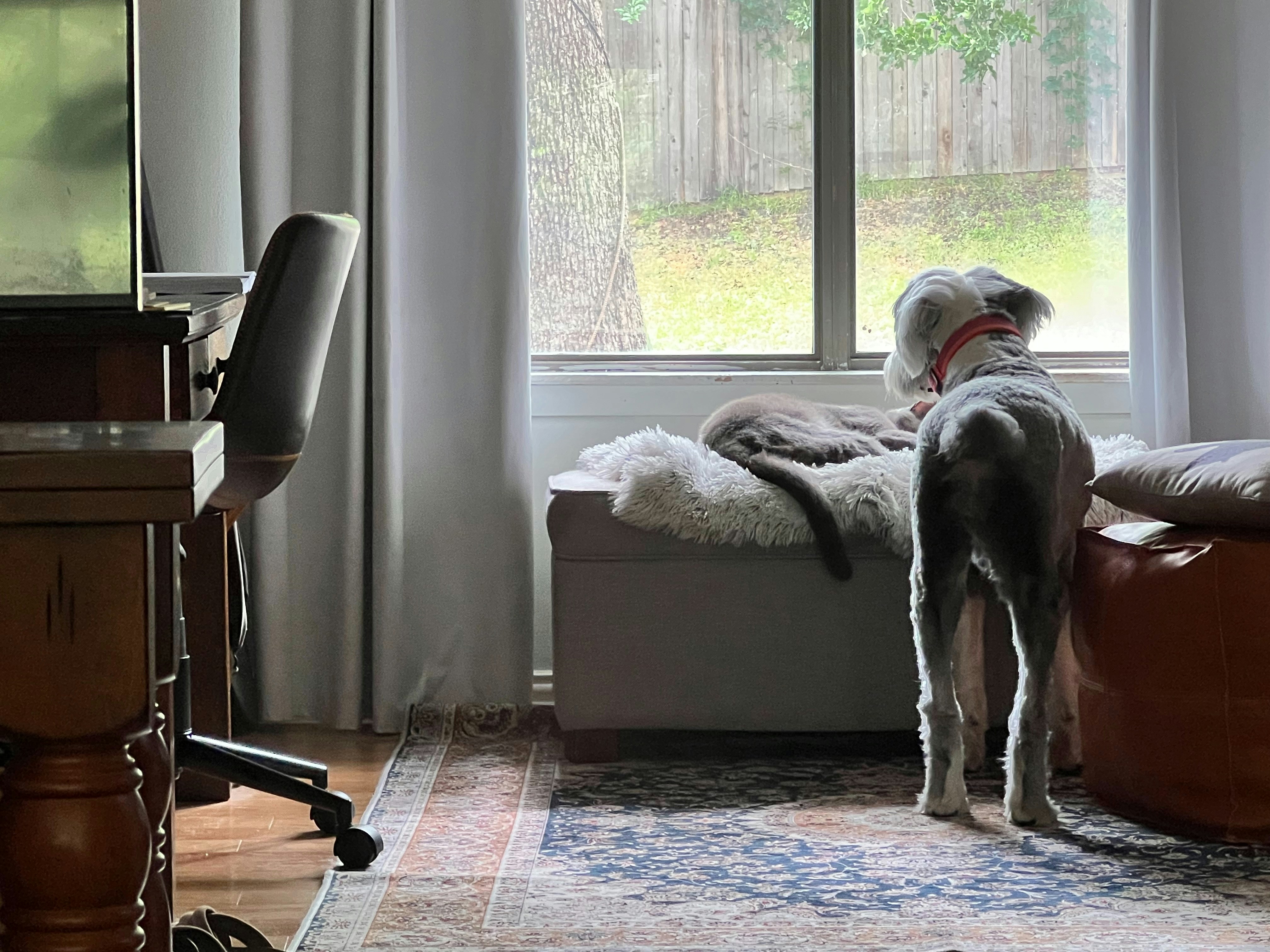
A beautiful dog sits thoughtfully looking out a window into the natural world outside.

10 Signs Your Dog May Be Bored

Boredom in dogs is more than a minor annoyance—it is a leading cause of persistent behavioral issues. Understanding these common signals can help you enrich your companion's daily lifestyle.

1. Excessive Barking

If your dog is vocalizing for no clear reason, they might simply be attempting to break the silence, generate a reaction, or call out for interactive engagement.

2. Destructive Chewing

Targeting household furniture, shoes, or baseboards is a classic physical outlet for pent-up mental energy and frustration caused by a lack of daily activities.

3. Digging

Creating craters in your yard or scratching continuously at carpets often indicates an active mind searching for a self-appointed 'job' or an immediate escape route.

4. Pacing or Restlessness

An clear inability to settle down, relax, or sleep in their designated space—even after a long walk—suggests that while their body may be tired, their mind is still racing.

5. Constant Attention-Seeking

Repeatedly nudging your hand, whining, or dropping a worn-out toy directly into your lap are direct, active pleas for structured socialization and play.

6. Excessive Sleeping

While adult dogs naturally sleep quite a bit, escaping into constant slumber all day can occasionally point to apathy, lethargy, and a general lack of daily environmental enrichment.

7. Repetitive Behaviors

Habits like chasing their own tail, shadow-pinning, or excessive paw licking can occasionally manifest as self-soothing behaviors when there are no external tasks to focus on.

8. Getting Into Things

Knocking over trash bins, counter-surfing, or investigating cabinets highlights a curious, unsupervised mind setting out to find its own dangerous entertainment.

9. Losing Interest

Ignoring interactive toys they once loved or refusing to participate in basic obedience tells you that their current environmental play structure has grown redundant.

10. Restless After Exercise

If a long walk doesn't calm them, they likely require mental exercise rather than simple physical exhaustion. Try puzzles, tracking games, or sniffing activities.

Important Note: While these behaviors often indicate standard puppy or dog boredom, they can also stem from separation anxiety, underlying medical discomfort, or nutritional deficits. If you observe sudden, extreme behavioral shifts, we highly recommend consulting your family veterinarian or a certified professional dog trainer.
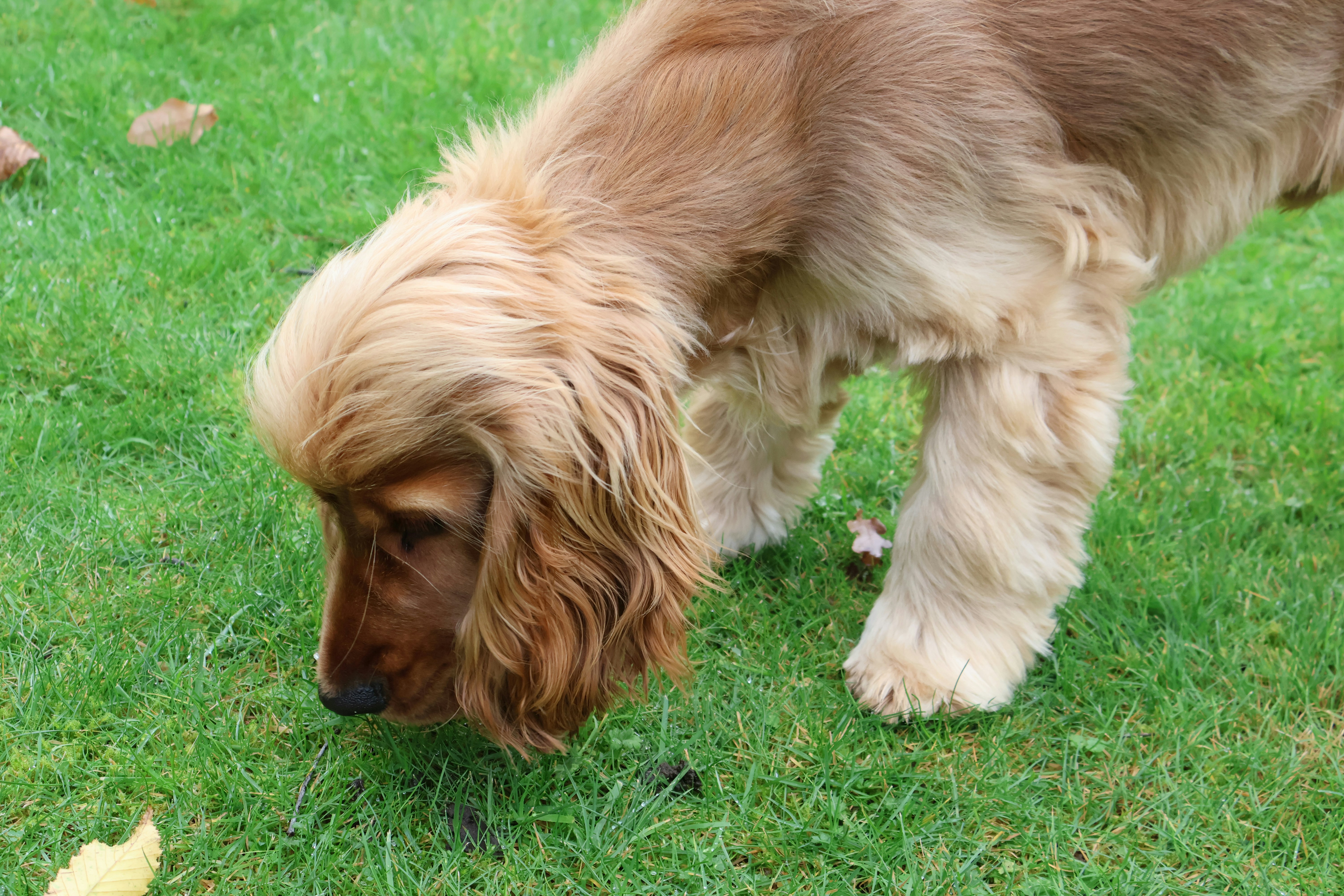
A close up photo of a golden dog gently sniffing lush green grass in soft natural light
The Art of Canine Enrichment

Why Mental Stimulation Matters

While a brisk walk keeps your dog's physical frame in shape, it only scratches the surface of their natural instincts. A dog’s primary window to understand the world is through their nose. Mental enrichment engages their powerful cognitive systems, offering a profound sense of satisfaction that physical exertion alone simply cannot replicate.

Allowing your dog to sniff patiently, decode scents, and solve interactive problems lowers heart rates and actively reduces cortisol levels. Just fifteen minutes of dedicated scent-work or puzzle-solving tires a dog more constructively than an hour of repetitive, high-adrenaline fetch.


Happy golden retriever sitting inside a cozy, bright home

Indoor Dog Enrichment

Simple Ways to Keep Your Dog Entertained at Home

Mental stimulation is just as vital as physical exercise. These straightforward and practical ideas are perfect for keeping your canine companion content, busy, and thoroughly entertained inside.


The Importance of Rotating Dog Toys

Dogs experience a natural psychological reaction called habituation, meaning they quickly lose interest in toys they see every day. By establishing a structured rotation system, old toys are regularly reintroduced as exciting novelties. This simple habit keeps your pup mentally stimulated, deeply engaged, and prevents destructive boredom.

Explore Dog Toys
A cozy brown puppy contentedly chewing and playing with a premium texture toy on a warm linen blanket
Structure & Serenity

Create a Better Daily Routine


Balancing walks, meals, play, training, and rest is the secret to a happy, well-adjusted companion. Dogs thrive on consistency—knowing when to expect their next activity—but they also crave sensory variety. By structuring their days around predictable windows of engagement and deep, uninterrupted recovery sleep, you dramatically reduce anxiety and foster a peaceful household rhythm.

The Ideal Balanced Day

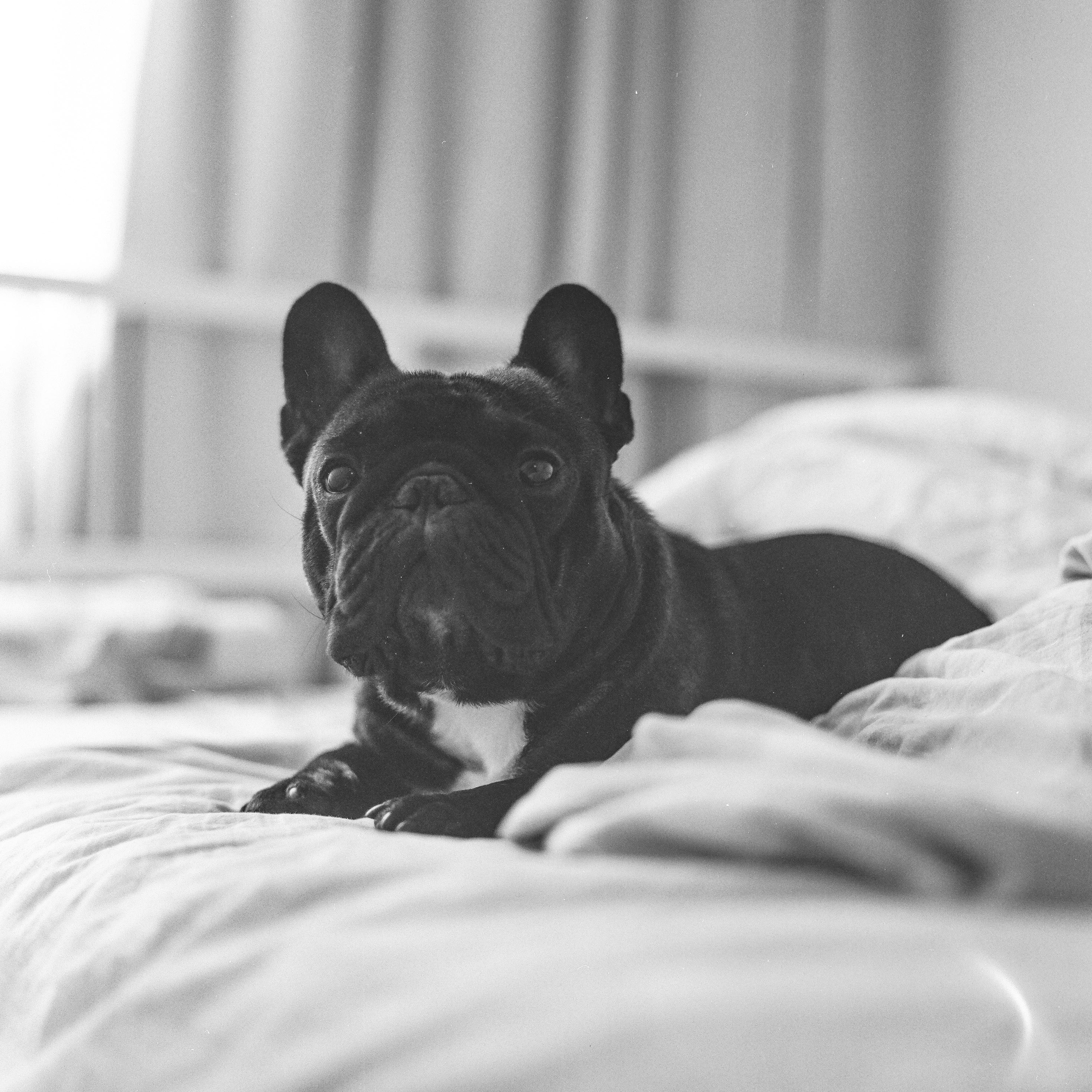
A peaceful dog sleeping comfortably on a luxury dog bed, representing relaxation and cozy puppy lifestyle

Don't Forget Rest and Relaxation

While active play and ongoing entertainment keep your companion energized, constant stimulation can lead to exhaustion. Just like us, dogs depend on dedicated quiet time. Providing a specialized, ultra-comfortable rest spot is essential to ease anxiety, protect tired joints, and guarantee they wake up fully recharged for tomorrow's routines.

Shop Dog Beds

Activities for Different Types of Dogs

Play is never one-size-fits-all. To truly nurture your dog's spirit, physical and mental activities must honor their biological age, energy profile, and unique developmental needs.


Puppies

Focus on frequent, short bursts of structured play. Puppies have growing joints and brief attention spans; gentle puzzle toys and low-impact exploration build cognitive confidence without fatigue.

Adult Dogs

Thrive on layered sensory and physical enrichment. Keep their routine dynamic by combining sniffing walks, scent work, fetch variations, and complex toys that challenge their natural instincts.

Senior Dogs

Keep minds incredibly sharp without physical strain. Introduce gentle brain-teasers, soft snuffle mats, and quiet sensory paths that respect their physical limits while satisfying curiosity.

High-Energy

Requires intense, active problem-solving outlets. Structured agility drills, hide-and-seek rescue games, and tiered obedience puzzles release mental pressure and promote calm resting states.

Designed for the Individual Dog

True enrichment means tuning in. While age and energy provide a strong foundation, the magic lies in observing your dog's unique body language, focus window, and fatigue cues. Co-create daily play rituals that celebrate who they are in this exact chapter of life.

Explore Curated Plans

When Boredom May Not Be the Real Problem


It’s easy to label sudden behavioral shifts—like unexpected chewing, relentless pacing, or localized whining—as basic boredom. However, abrupt transformations in your companion's daily habits can often signal physical distress, sensory changes, or deep-seated anxiety rather than a simple need for play.

Before starting a new rigorous exercise routine or assuming they just need more toys, take a closer look at the timeline. True boredom builds gradually; sudden spikes in distress almost always point to something more that requires a soft, understanding approach.

Boredom or Enrichment?

Recognize the subtle signs of under-stimulation and discover thoughtful, natural ways to restore harmony and fulfillment to your dog's daily routine.

Signs Your Dog Needs More Stimulation


Healthy Enrichment Solutions


Daily Enrichment Guide

5 Easy Ways to Beat Boredom Today

Simple, intentional moments designed to satisfy your companion's natural instincts and cultivate calm energy throughout the day.

01

Take a Sniffing Walk

Let your dog explore and lead with their nose to relieve mental fatigue.

02

Practice a New Trick

Keep training sessions short, positive, and mentally engaging.

03

Rotate Their Toys

Put away a few toys to bring back instant novelty and excitement later.

04

Play a Simple Game

Enjoy hide-and-seek or light indoor fetch to build engagement.

05

Create a Rest Spot

Set up a dedicated quiet place for comfortable and deep relaxation.

COZY CANINE CARE

Frequently Asked Questions

Understanding your dog's mental landscape is key to a calm, cozy, and enriching lifestyle. Explore our essential guide on canine boredom, stimulation, and behavioral wellness.

How can I tell if my dog is bored?

Typical signs of canine boredom include repetitive pawing, whining, trailing you around the house, persistent barking, and digging up garden spaces. These are classic attempts to burn excess mental and physical energy.

Yes. Dogs are intelligent, deeply social companions. When left alone for hours on end without structured activity, puzzle toys, or a dynamic environment, they naturally experience acute boredom.

Absolutely. Bored dogs are prone to finding self-soothing or self-entertaining outlets. Without guidance, this often looks like chewing furniture, shredding cushions, raiding trash cans, or pacing.

Most active dogs benefit from 30 to 60 minutes of focused mental exercise every single day. This can be easily split into brief, interactive training blocks, food puzzle toys, or mindful scent walks.

Standard, static chew toys lose their novelty very fast. To truly stimulate your dog, focus on active puzzle toys, rotating their selection weekly, or engaging in collaborative games like fetch and scent discovery.

Excellent activities include scatter-feeding in the grass, teaching fresh commands, introducing slow-release lick mats, and leading sniffing walks where your pup is free to dictate the route.

Absolutely. Even if physical energy naturally tapers off in senior years, cognitive curiosity remains active. Older dogs benefit immensely from low-impact scent games or soft, treat-stuffed puzzles.

No. Puppies and dogs need substantial, deep rest—often sleeping 12 to 14 hours daily. The secret is offering highly focused, brief windows of quality mental enrichment rather than constant supervision.

The Cozy Puppy Lifestyle

Joy is Found in the Quiet Moments

Keeping your companion joyful and thriving doesn't require constant, high-energy entertainment. Instead, true happiness lies in a simple, natural routine—balancing structured exercise and quiet mental stimulation with gentle play, warm companionship, and deep, peaceful rest. It is the harmony of these basic essentials that allows their spirit to truly flourish.